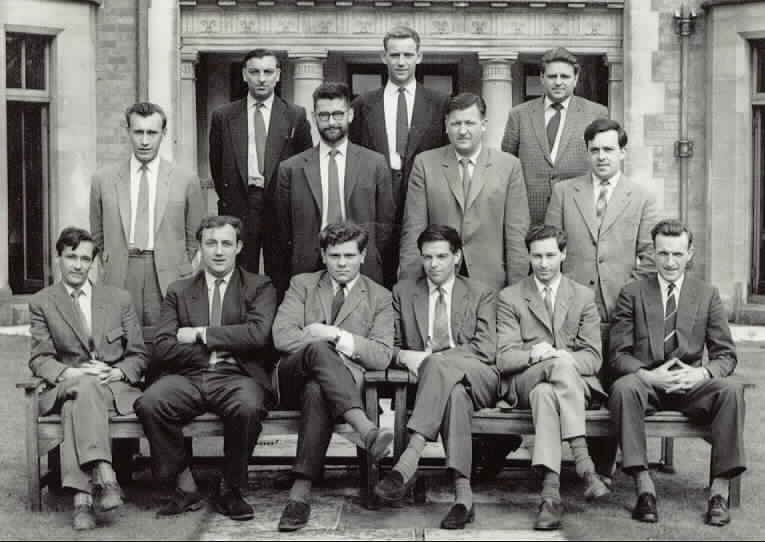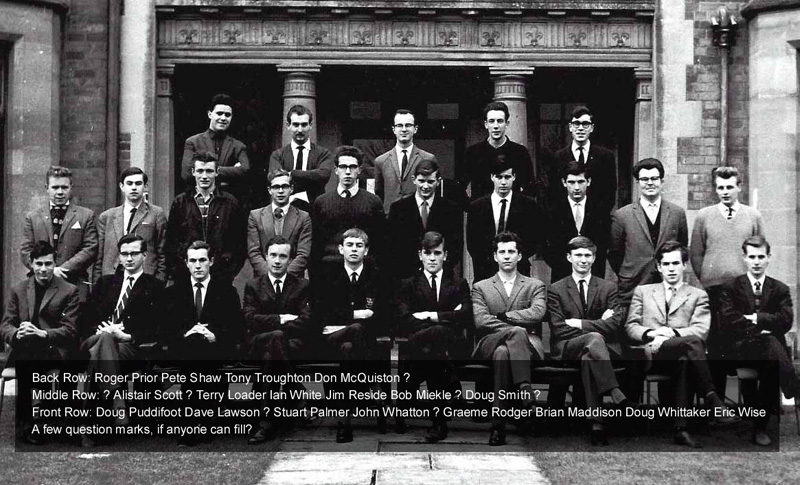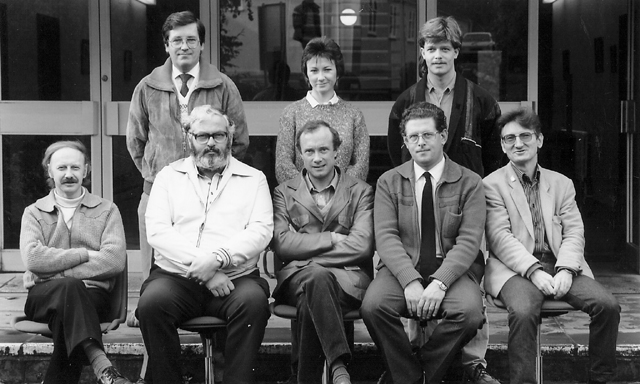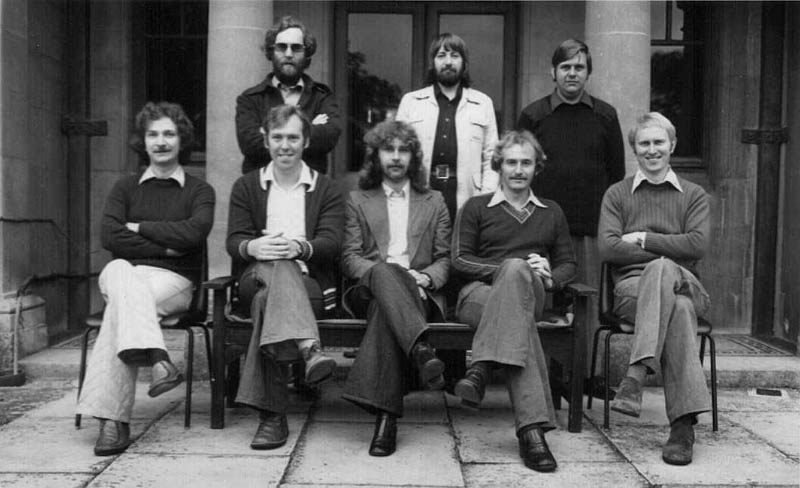
Stories 4 – Pres B

Here are two not-tech-ops stories about Pres B

These are re-prints from stuff I’ve written elsewhere……..

Pres B was a small studio on the fourth-and-a-half floor of Television Centre. It isn’t there now, as it was destroyed for some network control rooms that were used for a very few years then abandoned. Pres B was pretty historic, as it had hosted Late Night Line Up and it’s descendants such as Colour Me Pop and Old Grey Whistle Test, and lots more. The famous mechanical Christmas Symbols lived there for a few days each year. It had hosted Film 90-something since Film 90-something had been Film 70-something, and also Points of View.

When Producer Choice came along, the studio scheduling department became a cost centre, renting building space (the studios) from Premises Operations, and selling it on to productions. As the selling process went through, the overhead cost grew heavy with the weight of employing more accountants, on top of the weight of the film library, the gram library, the programme complaints department, etc etc. So BBC studios cost more than outside studios, and as producers could choose to work anywhere, they took their BBC money – which could have been spent inside on facilities owned by the BBC – and spent it elsewhere, turning it from an internal cost to real cash – effectively chucking money away. It made sense on a producer’s budget sheet though, because they spent less of it at Teddington – or wherever – than they did in the building where their office was.

The producer of Film 90-something, Bruce Thompson, and the producer of Points of View, me, Bernard Newnham, thought all this was pretty stupid, and carried on using Pres B. It was a few yards from my office, so very sensible and convenient to use.

Then things started to go wrong for the studio schedulers. They couldn’t balance their budget – the one they didn’t have before Producer Choice. Their “customers” – as they were now, rather than colleagues – were producers with cash budgets that were always being cut back. The producers made savings on their balance sheet by going outside, or turning the office into a studio. So the main studios weren’t being used, but the studio people’s overheads didn’t go away. They needed to cut back, so they – for reasons I don’t know – decided to close Pres B, and stop paying rent to Premises Operations for it. They put a padlock on the door so we couldn’t sneek in.

Studio Operations set Points of View up with alternative locations, initially in the under-used large studios. It was very strange to do PoV in TC1 – 100x100x50, built for huge operas and LE shows. We were in a tiny corner. Then one autumn they didn’t have any room, so they offered us 13 weeks at Elstree. We had a disused studio – B, I think – with our own small OB truck outside next to an OB VT truck. It was all quite fun, apart from the cost of going there each week, which was added to our budget so we could afford it. After the quarter was up, we went back to touring the big studios.

Then one day, on the way to an edit, I bumped into our studio scheduler lady in the corridor “I’ve been meaning to tell you”, she said, ”we don’t have a studio for you next week”.

“What????”

Points of View was, in those days, a BBC1 staple – 8.50 Wednesday evening every week for years . “I’m sorry but we’re unable to bring you Points of View this week, as a studio wasn’t available” . In earlier days they would have fallen on their sword rather than not give us a studio, but now we were just a rather minor customer. 9 million viewers each week meant nothing.

Enough, I thought, and joined in the game. I called OBs and asked the boss a hypothetical question. Then I called Head of Premises Operations and asked if I could rent his Pres B for a day each week.

“It belongs to Studios” he said.

“No it doesn’t, they gave it back to you – put a padlock on the door”.

“It has their gear in it”.

“Doesn’t matter, OBs will bring a truck round the back and run cables over the roof, it’ll be an OB”.

“I’ll have to think about this….”

In the meantime I needed a studio in a few days, and after various trips and discussions, went to SSVC at Chalfont.

Then, completely unannounced,  I got a memo from Studio Operations – they’d agreed with Premises Operations to only rent Pres B from them on days when they had a booking, thus paying no pretend money when they weren’t getting pretend money from us.

They removed the padlock. I had played the silly Producer Choice game and won.

So after one week at SSVC, we, and Film thing, were back in Pres B as if we’d never been away. What a wonderful thing Producer choice was.

++++++++++++++++++++++++++++++++++++++++++++++++

And……

Making a trail for a Hitchhiker radio programme on TV – where the pictures aren’t all in your head.

First go to http://www.tech-ops.co.uk/bern/h1.wmv where you will find a somewhat battered copy of the subject of this piece.

January 1980…..

I must admit that the Hitchhikers Guide to the Galaxy passed me by when it was first on radio. Given that I spent huge amounts of time working in television and actually being at TV Centre, it isn’t too surprising.  As a promotions producer in the BBC Presentation department I worked a three weeks on and one week off shift pattern, month after month, with very long days in the building.  We really didn’t get out much, and we slept away much of the week off.

In each block of three weeks, the three members of a promotions team generally made 10-15 trails – that’s not including “next week, tomorrow, tonight” versions of the same thing – all for programmes in the “operational week”,  the third one. The most prestigious and difficult thing was regarded as the Radio Times trail.  Of course, this was really an advert, and rather against the rules, but had been made since time immemorial so had kind of grandfather rights. What you had to do was make a trail for one or more programmes, and sort of notice that they were the ones featured in this week’s Radio Times.  It was regarded as a chance to be original, and given the pressure of time, was often the only chance there was to do something that wasn’t just programme clips edited together.

Most Radio Times front covers featured a tv programme, but radio was grudgingly allocated a certain number each year.  In week 4 1980 (19-25th January)  it was their week, and they picked Hitchhiker. Series one was being stripped through the week as a intro to series two, so although series one had been on several times before, this was in effect a high profile launch.  As tv promotions producer for that week, I first took notice of the things we would have to trail around the back end of the previous promotions cycle, before the off week. I discovered that there was an LP of the first Hitchiker series and got hold of it from BBC Records. This was the first time I’d listened to the series and I quite enjoyed it, though I wouldn’t say I was a  huge fan. It has to be said that after 14 years in tv by then, and having worked on many programmes in my days as a cameraman, I could never really be a huge fan of anything made in the factory where I worked. We used to play inside Daleks in the scenery runway, whilst Dr Who fans obsessed outside the gates

What you could always do with a radio cover was chicken out and do a few tv programmes featured inside the magazine and just mention the cover story in passing.  Unless I had a workable idea I was certainly going to do exactly that. I must admit that the challenge of making a trail for a fantasy radio programme did appeal, but I needed a visual idea which I would have to think up myself.  After this long time I have no memory at all about how the idea came into my head. Actually, one thing I’ve discovered is that I can never work out where original ideas come from. They don’t happen too often, and seem to just pop into your head. In this case, before the “chicken out” deadline came along, I had that good idea.  I would show a version of the Guide, though not an actual book – at least, not one for humans.  I decided that out there somewhere in the universe aliens would have a prism as the book. I thought that if I shone different colours of light through the prism I would get appropriate rainbow effects – sort of words for aliens.  This was of course well before the age when computers would do this sort of tv effect. When the Hitchhiker tv dramatisation came along the following year they would use prosthetics, plywood and 35mm film animations, and they had a decent budget.

When the cycle of week 4 began on Monday of week 2 and ten days before the first transmission of the Radio Times trail on the Wednesday of week 3, I asked the props people to find whatever prisms they could come up with.  I wrote a script for Peter Jones and got in touch with Geoffrey Perkins, the producer.  It turned out that they were making series 2 at that moment, so it would be convenient for me to go along and have Peter record my material during their time.  From endless trail making I had an ability to mimic styles of writing of various shows, and the team, presumably including Douglas Adams, happily accepted what I had written. Mr Adams wasn’t a familiar face in those days, so I have no idea whether he was there or not. Peter recorded his piece onto quarter inch tape.

Back at TV Centre I asked our senior graphics designer to Letraset “Don’t Panic” onto the end of one of the prisms that had turned up from props. I do remember him saying “just that?”.  He obviously hadn’t heard the programme either.  Lying around in the corner of the office was a sheet of card with a shiny textured surface, also a trainee, a somewhat irritating one, to hold it up and wiggle it as required.  The promotions turntable would come in useful too.  That was it until the day in the studio, Wednesday of week 3, a few hours before transmission. I had a dozen or so other trails to make.

On the Wednesday we had the afternoon studio session scheduled to us.  It would start as always at 14.30 and run till 17.00. That was our slot, with no extensions, and we would have had a good number of other trails to make in addition to the Radio Times. The good thing was that nothing else would need much in the studio itself, apart from the odd caption or two, so I could set up with plenty of time and space.  We were working in Pres B, as our studio, Pres A next door, was being refurbished. Pres B is famous as the original Old Grey Whistle Test studio, and I as I write this the tv is running Guitar Heroes at the BBC on BBC4, with a video of The Who playing in the same small studio.   I pulled around the black cyclorama as a background and set up the prisms that I had in a group on the turntable and set it going. I have to admit that I still didn’t quite know what it was all going to look like. What I wanted was a fan of rainbow light which would vary over time, or something that would convey a similar weirdness.

It didn’t work. I had forgotten that what I really needed for the effect was sunlight, and that was one thing that wasn’t available. Also the prisms were props, and although I’m sure that the law of optical dispersion still worked, it didn’t work well with tungsten light on not-very-clear glass.

Luckily, because I had never been sure of what result I would get, I had various backups.  One was the good old Dr Who opening titles howl round. Point a camera at a monitor showing it’s own output, and you get the video equivalent  of putting a microphone in front of a louspeaker.  The camera moves around whilst you mix in a second camera with – in this case – a pile of prisms, and you get lots of piles of prisms. Spooky.  The lighting man set up drastic variations in the colours of the lights and cycled through them. The trainee waggled his shiny board in the background. Peter Jones was played back from tape. And it sort of worked.  I had a scene crew man with a smoke machine to add even more visual mystery. He filled the small studio with smoke, but hard as he tried, we couldn’t really see much of it.  Never mind – after a few takes we decided we had something weird enough for a fantasy radio programme trailed on television.

The Radio Times front page at the end of the trail was zoomed up using the Blue Peter ship technique. This was done on the end of every BP show at the time. You mount the ship picture – or RT cover – on a 20x16in caption card and put that on a stand in the studio. Then you have the cameraman zoom all the way out. This reveals much of the studio, so the card is lit brightly with a spotlight. The iris on the camera has to be closed right down, and everything except what’s on the card disappears. Crash zoom in on cue and it’s done.

And that was it. The Radio Times trail was always shown from Wednesday to Friday, maybe 6 or so transmissions, then it was gone forever.  But most of us liked to keep some of the things that we made, and at that time we saved them on Philips cassette. Eventually we moved on to VHS, and I copied my stuff across using a dying Philips machine and a sticking tape.  So the quality of my early stuff isn’t too good. The 2″ masters are of course long gone, but that’s television. At least I have a sort of reasonable copy of something ephemeral – and trails are about as ephemeral as tv gets.

…oh – when I left the studio, I ran into the BBC1 continuity announcer, a pleasant but rather, er…. precious man. It turned out that the aircon in Pres B recirculated  through the whole presentation area, so my smoky studio became everyone’s smoky working area. He said “I’m not going back in there till they put the fire out”, and wouldn’t believe it was just me. Smoke was never allowed in the area again.

Bernard Newnham
11/07/2009   –  29 years on.

Posted in Stories | Comments Off on Stories 4 – Pres B

Dick Hibberd’s Memories

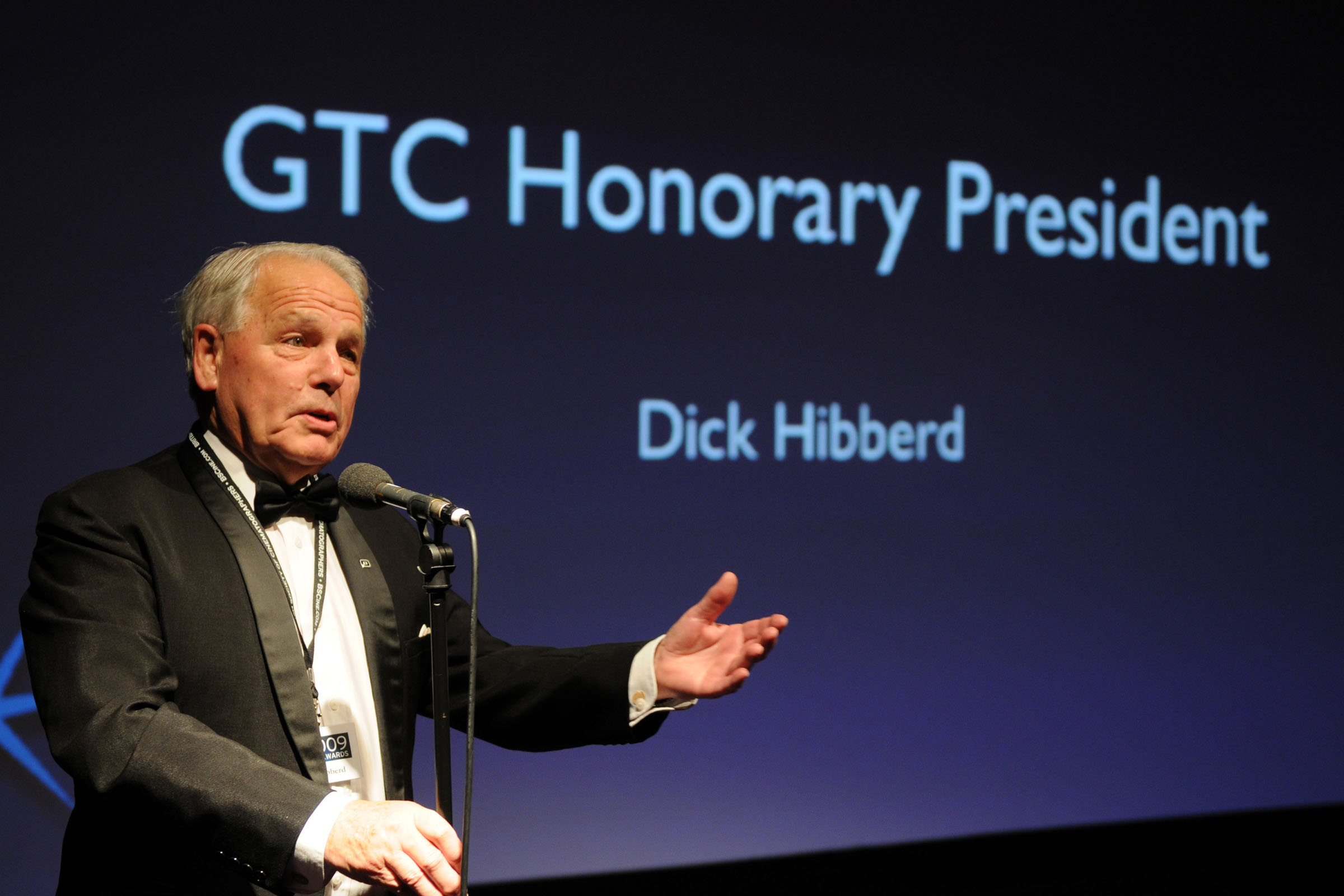
Dick Hibberd is Honorary President of the Guild of Television Cameramen. Here’s a short biog, written by him for the GTC website. I’m hoping that Dick will write up some more……

“I started my career in this industry as a trainee film director with a small company in Edinburgh, specialising in documentaries. After spells with both Ferranti and Decca Radar filming top secret flight trials, I moved to BBC Lime Grove as a Technical Operations Cameraman on Crew 1.

ATV beckoned with more money and I stayed there for 8 years doing multi-camera studio and OB work before moving on to Alpha TV in Birmingham, and then again to TWW in Cardiff. It was here that I began to see the necessity for an organisation to cater for the needs of television cameramen. From this realisation, with the help a few dedicated television cameramen friends, the Guild was born.

After TWW became HTV, I continued to work there as Head of Cameras for studio and OBs for 14 years.

My next and last move was to Thames TV to work as a technical supervisor, sometimes filling in as a lighting director, then studio supervisor, and finally as a production manager.

At the age of 80 I am still very active in the world of television. I now work (unpaid) as cameraman, lighting cameraman, director and tea boy gofer on amateur video productions. I am still fascinated by the media, with all its never-ending developments, and feel as strongly as ever about the need for a Guild of Television Cameramen, catering for both men and women the world over.”

Some of his memories of a long life in television….

I shall always be indebted to the BBC for the excellent training they gave me at Wood Norton, and like so many on my Tech Ops course I learnt to play table tennis quite well, and at 80 plus I still enjoy a game.  I made very little use of the technical knowledge that I acquired at Evesham whilst I was operating cameras at Lime Grove and Shepherds Bush Empire, but it was put to good use when very many years later I become a Studio Supervisor at Thames TV (A sort of TOMs job), and I had to ask engineers to make technical arrangements for various productions.

Of course you will appreciate that I am of a somewhat earlier generation, and indeed sadly there are very few of my contemporaries still around, but it seems that some things changed very little at the Beeb for very many years.  I left Aunty’s warm embrace shortly after the start of ITV, and followed in the footsteps of Colin Clews, Jock Watson, Tony Flanagan, Bill Ward, and quite a few others to join ATV. But that is another story.

Strange isn’t it, although I worked for 7 different companies during my TV career,  I am often introduced by my friends to newcomers, as “This is Dick Hibberd, he used to be a BBC TV Cameraman” .  I feel very proud when they say that.

………………………..

Bryan Cowgill had a reputation for being somewhat vitriolic on talkback.  Fortunately I never experienced this first hand myself. I am reminded of the way that my first Senior Cameraman, BBCs Lime Grove Crew 1, Ted Langley, acted and responded to a similar totally unwarranted torrent of verbal abuse from a Director.  When I first knew Ted, he was getting on, he had white hair, a white moustache, wore spectacles, one arm of which had been repaired with an Elastoplast.  He had quite an intimidating presence, and we junior members of his crew were at pains to do as he bid us, and immediately.  Ted also had some gravitas.  On this occasion, he signalled to his tracker on the Mole Crane, to stop, lower and lock the arm.  Ted dismounted from the camera, and without hurrying walked from the Studio floor.  The Director was screaming and shouting nonstop, and could not grasp what was happening.  Ted walked up the stairs into the Production gallery and stood behind the screaming Director.  Ted tapped him on the shoulder, and asked quite mildly,  “What exactly is it you want me to do?”  The transformation of the Director was amazing.  Suddenly he was all sweetness and light, and whilst a moment before, he had been talking to machinery, he was now talking to a human being, which was quite different.  The Director explained, Ted went back to his camera, and a much calmer Director continued with the camera rehearsal.

That anecdote was true fact. I was there and I remember it well, but for me, as I grow older, I wonder if my memory plays tricks on me.  I certainly worked on ‘Captain Pugwash’ at Lime Grove, ‘The Grove Family’, ‘In town Tonight’ with John Edisson.  There were of course many, many more.  It was on ‘What’s My Line’ with Barbara Kelly, Dame Isabel Barnett, Gilbert Harding, and David Nixon, that I had the first opportunity to operate a television camera ‘on air’. My number 1 cameraman was the diminutive Dicky Ashman.  Dicky set up the shot, and I simply framed and focused, and panned between panelists, as directed.  My heart was beating so fast, and I was probably sweating with excitement.  If I did anything wrong, then millions of people would notice, this was ‘live’ television.  Fortunately I didn’t, and they didn’t. I don’t think that it was ever so frightening again, but right to the end of my career, if I wasn’t slightly scared or worried before a recording, or transmission, then there was something wrong.  Once you were ‘on air’ you were too busy to worry about what might go wrong.

Most of my time at the BBC Television Theatre, Shepherds Bush, was spent as a ‘tracker’ moving the camera and operator on a Vinten pathfinder, backwards and forwards along the centre ramp, to give the correct framing with a fixed focal length lens that the cameraman had selected.  Apart from ‘What’s my Line’ there were other shows, such as the ‘George Mitchell Singers’, and a show that I didn’t enjoy, probably because I found Eamonn Andrews slightly twitchy manner acutely embarrassing –  ‘This is Your Life’.  When I left the BBC, I thought I had seen the last of TIYL, but no.  Thames Television also ran the series, much later in my career.

I remember operating a camera which had a faulty viewfinder at the ‘Empire’.  Both the line hold, and frame hold were free running, and you could only guess at your framing.  A request for help from Vision Control went unanswered.  This particular fault happened to me a number of times, and as a result I was having dreams in which the pictures that I saw in my mind would sometimes have line tearing, and frame rolls !

The BBC were extremely good at ‘training’ for which I have been for ever grateful.  For newcomers to the Beeb, there was what was known as an ‘induction course’, where we were moved from department to department to enable to have some understanding of the operations of the whole television system.  We were expected to ‘operate’ in each of these areas, under strict supervision. On one occasion when it was my term to spend a spell in master control, ‘The Goons’ were doing a show from the Shepherds Bush Empire, which concluded with Neddy Seagoon, and Bluebottle, having a duel with swords, across the footlights, and out of the front of the Theatre.  We then had a shot from Master Control, where I was in Lime Grove, with the announcer, probably MacDonald Hobley, linking us into the next programme, a couple of minutes away.  There was a crash as a door was slammed open and in came Harry Seacombe, and Peter Sellars, still fighting with their swords, from one side of the continuity set to the other, and disappeared from view.  Mac Hobley totally ignored their presence, as was required, and that was the end of the excitement, and my introduction to the workings of master control.  How they had managed to get so speedily from Shepherds Bush, along Goldhawk Road and up Lime Grove and up many stairs to Master control, I just don’t know.  Of course nowadays, such a joke would be meaningless, as we all know we can pre-record anything, and there is no longer anything such as ‘real time’ but it was all ‘live’ then, and the viewer knew it,  and I hope enjoyed it. I know I did.

I wonder now, did it really happen, or am I just imagining it……….!

I know what did happen, and that was the fact that every now and then, part of our crew was required to work from Alexandra Palace in north London.  We would be bused up there to do the news.  The cameras that we operated had laterally inverted pictures, and whilst ones natural tendency to compensate for a slight shoot off a caption to the right, would normally mean a slight pan left, you had to control your natural instincts and pan slightly right.  It was a bit of nightmare to start off with, but you fairly quickly became accustomed to it.  Sometimes it was a bit dodgy when you had lots of adjustments to make left and right, and you had to keep  a firm control on not doing what came naturally!

Sadly for me, there is no official record of what programmes I worked on.  The only record I have is in the few remaining diaries I have left, which recorded weekly where I was supposed to be working.  So unlike our brothers in the film world, who are and always were,  quite rightly, ‘credited’. Why this anomaly arose in the UK is difficult to fathom.  All other crafts in television production received a credit but not cameras. A strange anomaly that still sometime  happens today.

Posted in Life story, Stories | Comments Off on Dick Hibberd’s Memories

Evesham Course Pictures

I’m trying (12/11/2010) to reorganise my older site, which is now going on for a decade old. A lot has changed on the internet since then, and things that were difficult have become much easier to do, as people have contributed their time and expertise for free. I always wanted the site to be searchable, and to be able to move sequentially through the pages. This new site, based on WordPress, can do just that, and a lot more.

Looking through the old site (link on the right) there are a lot of pictures, mostly classified by the name of the contributor and nothing else. Grateful as I am, it isn’t the best way of setting out all the pictures, and I plan to reload everything once again with better indexing.

First a category which doesn’t need namechecks – a  lot of Evesham course photos, just to get me into practise. After much testing, I’m using the NextGEN gallery system by Alex Rabe, which seems to be the best, is very good, but not quite complete yet. Can’t complain too much, as it is free.

So – an Evesham course picture gallery. Click on any picture, and you get a large version, with forward and back arrows. Click again to go back to the thumbnails.

Posted in Evesham, Pictures | Comments Off on Evesham Course Pictures

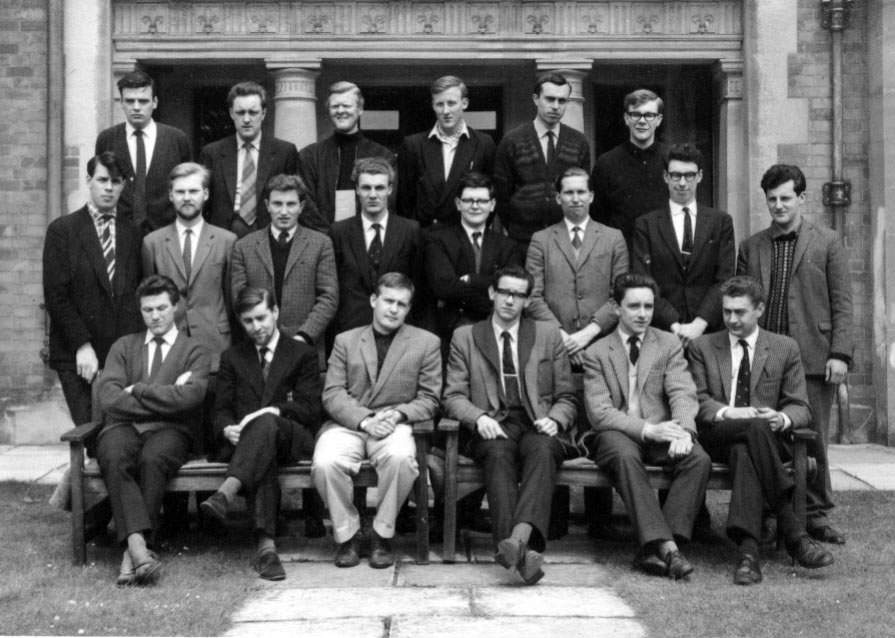
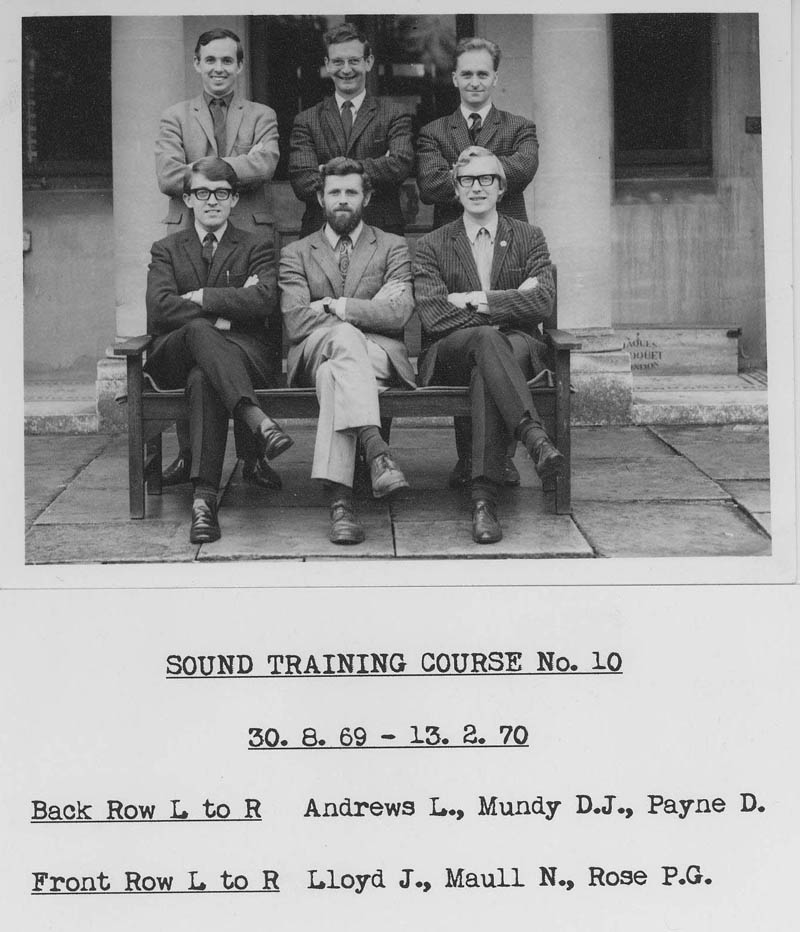
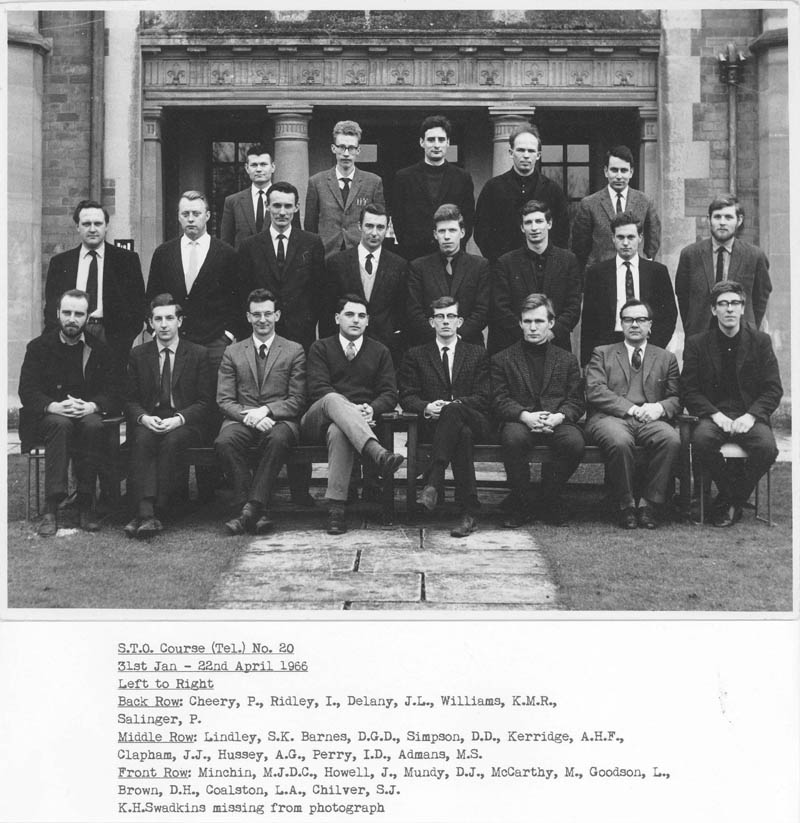
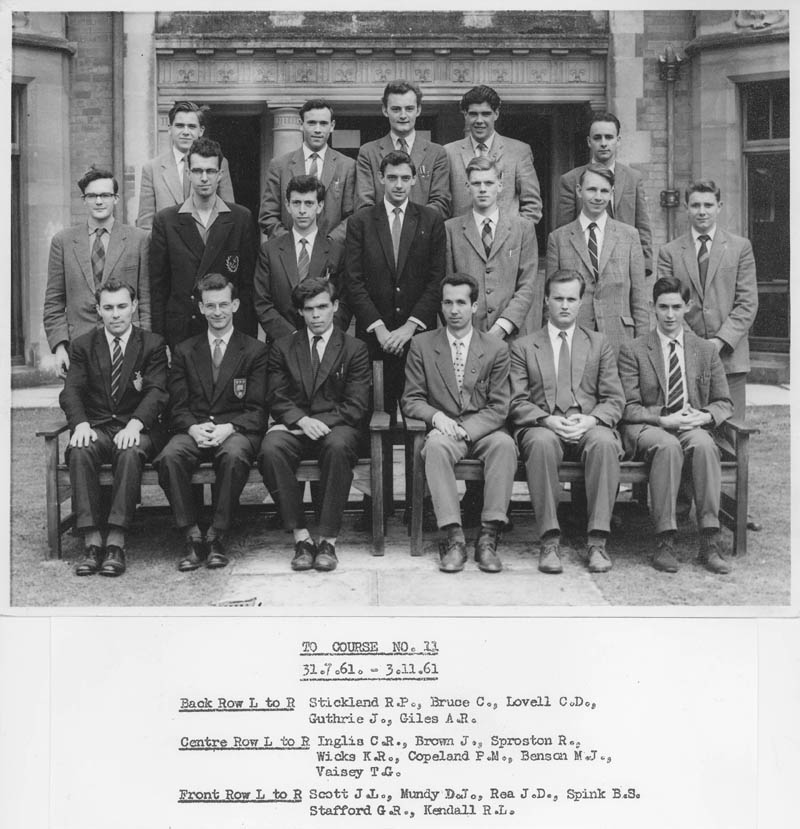
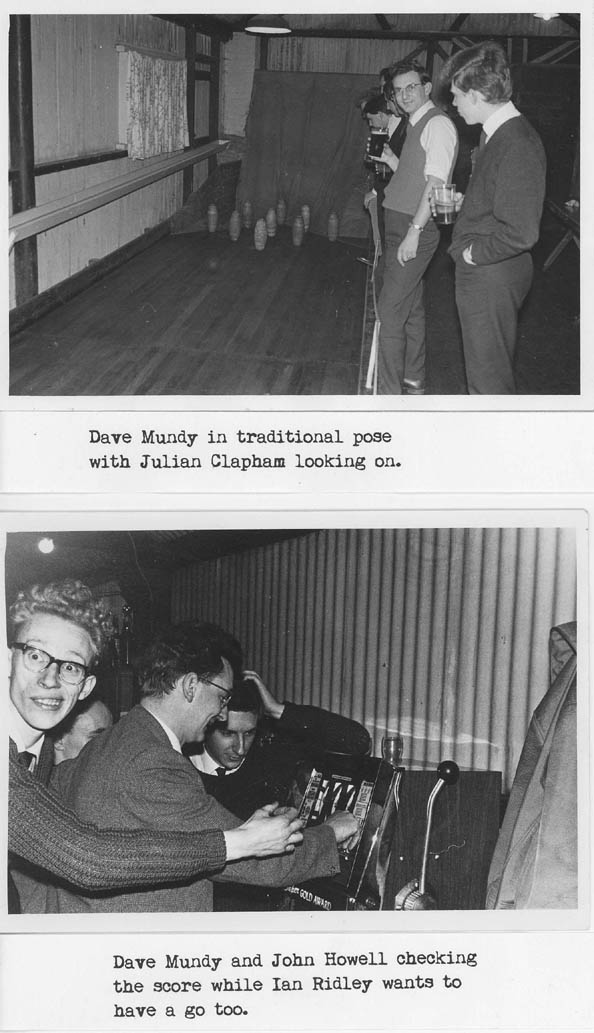
Dave Mundy’s Evesham Pictures

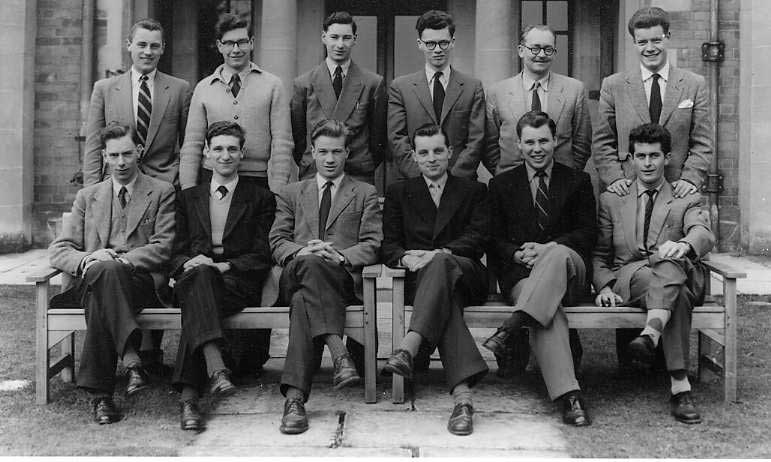
Dave is a sound man, and like all BBC tech-ops staff, spent some time at BBC Evesham Technical Training Department……

Click pictures for large version, click again to remove.

Dave says –

I have racked my brains and this is all the info I can remember about T.O. 11! In order of the cast list on the photo –
1. Bob Stickland – TC Sound Dept. various crews.
2. Clive Bruce – Manchester Control Room (Radio)
3. Chris Lovell – BH Tech. Ops. radio
4. Jim Guthrie – Glasgow Radio (married an Evesham girl)
5. Tony Giles – BH Tech. Ops.radio
6. ‘Chilly’ Inglis – Edinburgh radio (recently mentioned in ‘Prospero’ at some Edinburgh anniversary)
7. John Brown – TC Vision Supervisor (I went to his wedding in Lewisham, he left TV and went to own a sweet shop on I.O.W!)
8. Ron Sproston – TC Sound Dept. – was in BBC Choir, sang at the Proms, transferred to Manchester, found dead in his flat.
9. Keith Wicks – BH Tech. Ops. radio
10. Peter Copeland – Bush House, BH. then Bristol – became curator of British Library Sound Archives, died in 2006, lots of articles via ‘Google’ (such as Wikipedia)
11. Mike Benson – BH Tech. Ops. radio – did a Studio Manager conversion course (mentioned on ‘oldsms’ website)
12. Trevor Vaisey – cameraman, last heard of at Anglia TV (my room-mate in ‘D’ block!)
13. John Scott – BH Tech. Ops. radio
14. Dave Mundy – Birmingham Radio Control Room (3 yrs.), TC Sound Dept. (18 yrs.), Tel.Obs. Acton(17yrs.)
15. Derek Rea – Belfast Radio
16. Brian Spink – Bush House
17. Geoff Stafford – TC vision then Presentation Studio Engineer, transferred to Bristol as Lighting engineer. He has lit many OBs such as ‘Songs of Praise’-(mentioned on ELP website re. Truro Cathedral shoot)
18. Roger Kendall – Cardiff, became a Comms. and Transmission lecturer at Wood Norton (1993 WN staff photo on ‘vtoldboys’ website – my first room-mate)

Posted in Evesham, Pictures | Comments Off on Dave Mundy’s Evesham Pictures

Stories 3

From Patrick Heigham

Memories of Gram operating in the sixties

I became a Gram Op in order to be able to park. No kidding! In the days before the BBC multi-story, (and I left before the builders’ cleavage had reached puberty), there used to be ample parking at TVC. Behind the scene block, reached from Frithville Gardens, and in front, to the right of the original reception entrance, was a very useful area, open to all and sundry.

However, the extension to TVC, containing TC 6 onwards, encroached upon this ground and so a system of car passes came into force, with a daily quota available to be split between departments. Since there was a shortage of both rehearsal facilities and sound editing rooms (i.e. the galleries), one of the job grades to be allowed a permanent car pass was that of the Gram Op, as we used our cars to attend ‘outside rehearsals’, also to reach edit or recording facilities at BH or even Bush, subsequently bringing the precious tapes safely back to TVC.

So, following John-John Eden-Eadon’s wise advice to apply for Grams Training, I became attached to Bish (Adrian Bishop-Laggett) – well, he was a very nice bloke, anyway! Bish was then pioneering the task of supplying the ‘noises-off’ for Dr. Who, and indeed, the very first story introducing the Daleks!

Shortly after I joined the show, Bish moved on to become a Sound Supervisor, and I was left in charge of a huge library of effects and the job of liasing with Brian Hodgson of the RadioPhonics Workshop at Maida Vale.

From the Tape deck of the Tardis, let me take you on a journey back in time, to tell some of today’s operators: ‘How it USED to be done’

Each weekly episode was usually recorded on Fridays, with a midweek visit to the outside rehearsal in some drill hall which could be anywhere from Acton to Wandsworth. Having discussed final ideas with the Director, it was back to TVC for a session in the Gram Library, a quick beer and sarnie in the Club and thence to Lime Grove and Studio R. Studio R was a dedicated sound-only studio, control room and machine room with tie-lines to CAR in both audio and vision. In my time, it was equipped with three or four Leevers-Rich ¼” decks and the most irritating cross plugging matrix panel of multi-pin F & E sockets, which carried both ins and outs simultaneously. How much better were the TVC patch panels using double-enders to connect exactly what you wanted where. Studio R also had its own ‘hermit’ – Jack Timms – an ex-Decca man for whom the BBC had found this niche. He used to work solely in this facility, doing any odd job for which programmes might not have had a dedicated Gram Op.

He liked Wednesdays, for I had exclusive use of Studio R for the afternoon, and he could go home!

My task was normally to prepare and shuffle all the required effects onto various spools for playing in on the night.

I used to try and insist that whichever studio we were in, could have EMI TR90 decks for replay, as these had an amazingly fast start, which made cueing of spot effects synchronised to action, a better possibility.

Leevers-Rich had horrible habits of either wow starting or stretching the tape. I was allowed three tape decks, together with the standard four disk turntables (modified Garrard 301’s with quick start mechanisms), and in the early days when the show was based in Studio D, a six-channel outboard mixer, through which all the effects sources were routed, owing to the woefully inadequate channel facilities of the installed desk.) Somewhere I have some illicit 8mm cine film of the lash-ups we used to construct, including a long atmos tape loop that stretched across the sound gallery and round a cine spool with a pencil spigot!

During the Dalek episodes, all the distinctive voices were usually supplied by Peter Hawkins, and were there a need for multiple Dalek ‘players’ then some dialogue tracks were pre-recorded and played in by yours truly. Therefore I became an Actor, since accurate timing, if not the delivery, was paramount since I was playing opposite real folk in the studio. I remember leaving Debbie Watling, then playing the Doctor’s sidekick, with egg-on-her-face, as I glanced at my script to check the next sequence, and nearly forgot to play in the final reply line to her dialogue!

I normally arranged all effects or music stings of finite duration on the first spool, then split atmospheres and background music between the other two machines. Mostly I had the facility of twin-track decks, but a few pool machines were full-track only, which sometimes caused panic and necessitated a rapid re-think.

If the programme had recording breaks, then music cues running over the join were dubbed on later. The VTR tape was edited by cut and splice, then.

In the very early days, Lime Grove galleries were fitted with 78rpm turntables, with parallel tracking pickups, and old-fashioned steel needles. It being impossible to back track the discs, one had to groove count before the mod of the effect happened, either by counting turns from the run in, or by gently clicking the needle from groove to groove, on pre-hear. If you got it wrong, it was either late, or halfway through! Later, the DRD5, equipped with a stereo stylus that had vertical compliance, allowed the disc to be rotated backwards from the start of the effect and so cued in with a bit of anticipation. This seems to be the mainstay of the exponents of today’s scratching DJ artistry, but let’s face it, chaps, it’s not new!

The time of which I speak was around 1963 – 65, nearly FORTY years ago, we had fun doing it; with wobbly polystyrene sets, we tried hard to create a fantasy, which has since become a cult. What would I have been able to contribute with the use of audio delivery systems off the hard drive of a computer?

Pat Heigham (Tech Ops TVC 1962-68)

…………………………………….
From Terry Brett

How I got into lighting sooner than I intended. . . .

The scene is studio R2 (Riverside) on a Saturday afternoon with BBC2’s brand spanking new alternative to sport, ‘Open House’. Both Riverside studios were used to produce this magazine show hosted by Gaye Byrne, of the ‘Late Late Show’ on RTE. Stewart Morris produced the show (shudder!).

There I was, a mere stripling of a lad, doing one of his first cameras. Standing behind a Pye Mk5 camera on a spring ped with a Varotal Zoom.
Unfamiliar with this combination? Well aren’t you the lucky one! For the uninitiated the spring ped was a cheap alternative to the Vinten gas peds and used springs to balance the weight. They were exceedingly heavy and the column range was negligible. The Varotal zoom was a bolt on device with cable operated zoom and focus. Not the most responsive device as it seemed you had to take up the cable slack before anything happened and then overshot at the end.

Well here we are on air, a fashion display. Model walks forward with your truly tracking back in front of her. Yes tracking, we didn’t really believe in zooming anyway in those days. Suddenly the ped grinds to a halt. Cameraman and model start to panic. The floor in R2 was notoriously uneven and the ped had stuck to the floor. I, a shadow of my present self, hadn’t the weight to shift it. Stu Lindley came to the rescue and with a bump we were off again, accompanied of course by the kind of sympathy only Stewart Morris can provide.

So a very young cameraman, nerve totally gone, faces his next task – a black tap dancer, dressed in black dancing on a black floor! This man was like Sammy Davis Jr. on speed. Guess who had to do the close ups of his feet? Yup, and remember what I said about the zoom? Well with that combination not much was in focus of course – more encouragement from Mr Morris.

Shortly after that I was called to see Gwillym Dann and asked if I would like to join the Vision Section. . . . . .

…………………………….

This is one of mine (Bernie). It isn’t strictly a tech-ops story….

In the early nineties I was asked to be the BBC’s maker of commercials. Somebody had decided that it was ok to sell books records and tapes on BBC1, provided the BBC had made them. I counselled against this, as a senior Pres producer – I thought it was bad politics. I said my piece and went on leave. When I came back, they had not only ignored me, but decided I was the person for the job.

As it happened, it was something I loved doing. I had been told off for doing on Radio Times “trails” in the past – they were supposed to hint at the possibility of buying, rather than actually kicking the punters in the teeth, and I was always too gung ho.

One day they wanted us to sell a diet book, and they asked for something simple and direct. I decided that a bikini-clad model in Pres A (the camera was operated by tech-ops) was just what was needed. She would have just one line to say.

I had no idea where to get models from. It was the height of political correctness around our department, but I asked our lady booker of artistes. She didn’t turn a hair, and gave me the numbers of several specialist agents. So I rang one. I explained to the rather camp voice that the model should look like the girl next door, rather than a sex siren, and that I would need to see the girl first before I put her on the air. He said no problem. Look in the catalogue he would send, pick some likely girls, as many as I wanted, and he would send them over so I could pick one. No charge,  just pay the successful one the standard rate for the job.

So I picked half a dozen, got them in to Pres A in their bikinis, asked them to read the line, looked them over and selected one. It all went very well, apart from the embarrassing experience in reception.

The first girl arrived a bit early. I went down to collect her, and decided we should sit there and wait for the others. We made small talk in a crowded reception for a few minutes, and then she said “Would you like to look at my portfolio?” – a large folder she had brought with her. “Ok”, I said, and she opened it up. The pictures were very tasteful, provided you don’t mind full frontal nudity in 10×8 black and white with the world and Michael Palin sitting around you, whilst talking to the person featured in all her glory. “Very nice”, and “That one’s good” I said, flicking through.

It turned out that she worked in Boots mostly, thought she had done page 3 and really wanted to be a model. And she got the job, because she could actually say the line and look like the girl next door in her bikini.

The Monopolies and Merger Commission stopped the BBC making commercials a few months later. I told them so…

?

Posted in Stories | Comments Off on Stories 3

Stories 2

Some of my personal stories

The Young Generation were Stewart Morris’s dance group. They backed anybody who happened to be the featured artist for this months series (I wonder why?), and even had a series of their own. Nigel Lithgow and Lesley Judd were their best known products.

One Easter Stewart had them do a special of their own in TC1 called “Jesus” (a word often heard from Stewart, but not in this context). It was a pretentious religious musical piece, and required an enormous Chapman Hercules crane, normally used for such delights as Lawrence of Arabia. It came with it’s own driver, who was pretty used to steaming through the desert, but not pretending to be an overgrown Mole in TC1.

Brian White was the cameraman, and it had a team of swingers, including Bill Jenkin, I think. The cameraman had a chap with him to wind a handle to rotate his seat and the camera, which was me.

Stewart, in typical form, set up a fast track back down the studio, with a right-angle turn by the control room window. The driver, eager to please, zipped along, and performed the track and the turn perfectly. Unfortunately, the massive weight of the arm just picked up the swingers as the base turned the corner, and it continued in the direction it had been going.

“J***s, where the **** are you camera 1?”, quoth our director.

The answer was very close to “Right behind you, Stewart”, as Brian and I missed crashing through the gallery window by about half an inch!

Many years later, as a senior Pres producer with the run of the library, I booked out the original 2″ transmission tape of the show and watched it one Saturday afternoon – probably the first person to see it in 15 years. It looked as cheesy as ever, and it turned out to have been cut-edited – ie the tape had been physically cut. As the splices went through the heads there would be a great thump, and the picture would fall apart, because the joins had stretched over the years of storage.

An aside – the whine of a 2″ VT machine was a daily part of my life for 20 years. There’s only one (of dozens) left at Television Centre now – to hear that sound brings on waves of nostalgia! Not dissimilar to walking back into the Phoenix, the studio at Evesham, last year after 35 years – it still has the same smell!

………………………………………………………………

The Young Generation were also involved in “Project X” – five secret days at the TV Theatre which turned out to be a sort of mini Royal Command Performance.

They set up a pair of thrones at the front of the circle for the Queen and Duke, and also completely re-furbished the ladies toilet. For three days we dared each other to go and look inside, and on the morning of transmission, we did.

Where, if it was anything like the gents, there had been peeling paint, etc, there was indirect lighting, pink mirrors, hairbrushes, towels and flowers, all neatly laid out.

We had to know if she would actually use it – so during the interval we kept watch.

She never went near it!

………………………………………………..

I was the late cameraman in Pres A one evening. In those daydays there was a weather caption at 9.25, and maybe a menu, then home.

On this particular evening, an Apollo was due to land on the moon – Apollo 15, I think. They had decided that it was no longer worth staffing TC7 all through the trip, and so James Burke was oov in Houston, with Patrick Moore and others oov in London, all controlled by producer Dick Francis in ICR, along the corridor from Pres A.

They were due to carry the landing live at 9.25 on BBC1 using NASA pictures, but at the last minute everything went pear-shaped when NASA decided they should do some more orbits of the moon. BBC1 was suddenly going to consist of just that picture of the Houston control room for the 45 minute slot.

At about 15 minutes past nine all hell broke loose in Pres A, as Pres Producer Pat Hubbard arrived from the bar and announced that we would cover, and went off to discuss with Mr Francis what we’d do. Left in the studio with seven minutes to go were five slightly bemused people.

The sound man went hunting for mics. Assistant producer Orwyn Evans and I rustled up chairs and a table stolen from Late Night Line Up, whilst the S.Tel.E and Harry the sparks did the lights. Then Patrick Moore and two others (we had expected one) turned up asking how they would hear James Burke in Houston. The sound man and I found some earpieces, but the only feed available was zero level talkback – starring the tired and emotional Pat Hubbard.

For the first, and, I think, only time in my life, I was in charge of the camera crew. Orwyn had left school wanting to be a cameraman, but not, it has to be said, live at 9.25 on BBC1 for his first show. Harry was dragooned into being floor manager.

I showed Orwyn the zoom and focus on one of the cameras and told to just do as he was told, then went to operate the other two.

As soon as we went on the air, Pat opened up the local Pres intercom to Network 1 and ICR, and shouted loudly and rudely at everyone. I tried to quietly use my camera intercom to explain to Pat that Patrick and co were hearing his talkback (as he was saying “Ok, tell Patrick to shut up”). Patrick soldiered on professionally (“We just don’t know!”) for the 45 minutes whilst wincing at the din in his ear. Next day, we made the Daily Mirror.

Posted in Stories | Comments Off on Stories 2